.svg)

Medication-assisted treatment, often shortened to MAT, uses FDA-approved medications like buprenorphine/naloxone (brand name Suboxone) or methadone alongside counseling to manage withdrawal and reduce cravings from opioid use. When a person also has a mental health condition such as depression, anxiety, or PTSD, treating both at the same time is called co-occurring care or dual diagnosis treatment. At Valley Forge Medical Center (VFMC) in Norristown, both are delivered under one roof, with physicians and nurses available around the clock.
Families in Montgomery County, Pennsylvania, and the surrounding Philadelphia area often have practical questions before a loved one starts this kind of care. Who makes the referral? What does the first day look like? How does insurance verification actually work? This guide walks through the logistics in plain language, without medical jargon left unexplained and without promises about coverage or cost.
What does medication-assisted treatment actually involve?
Medication-assisted treatment combines medication with counseling and medical monitoring to stabilize a person physically while they begin recovery work. The medication addresses the physical side of opioid dependence, easing withdrawal symptoms and cravings, while therapy and case management address the behavioral and social pieces. This isn't a shortcut around treatment. It's a medical tool that makes the rest of treatment more possible for many people.
At VFMC, medication decisions are made by physicians as part of a broader medical detox process, which is monitored care that helps a person safely stop using a substance under supervision. We don't publish dosing details or induction schedules here because those decisions belong to your treating physician based on your individual history and current health. What we can tell you is that the process happens inside a licensed hospital setting, with nursing staff present 24 hours a day.
How does co-occurring care work alongside MAT?
Co-occurring care means a mental health condition and a substance use disorder are treated as one connected picture, not two separate problems. Many people who use substances are also managing depression, anxiety, trauma responses, or other conditions, and treating only one side rarely holds up over time. VFMC's clinical team includes addiction-certified physicians, nurses, and therapists trained to assess both at once.
This integrated approach matters for treatment planning. A person's readiness to change, their emotional and behavioral condition, and their risk of relapse are all part of what the ASAM Criteria, the national framework used to match patients to the right level of care, call the six assessment dimensions. Getting the full picture early lets the treatment team build a plan that doesn't have to be redone later because something was missed.
Why might someone need a hospital level of care instead of outpatient treatment?
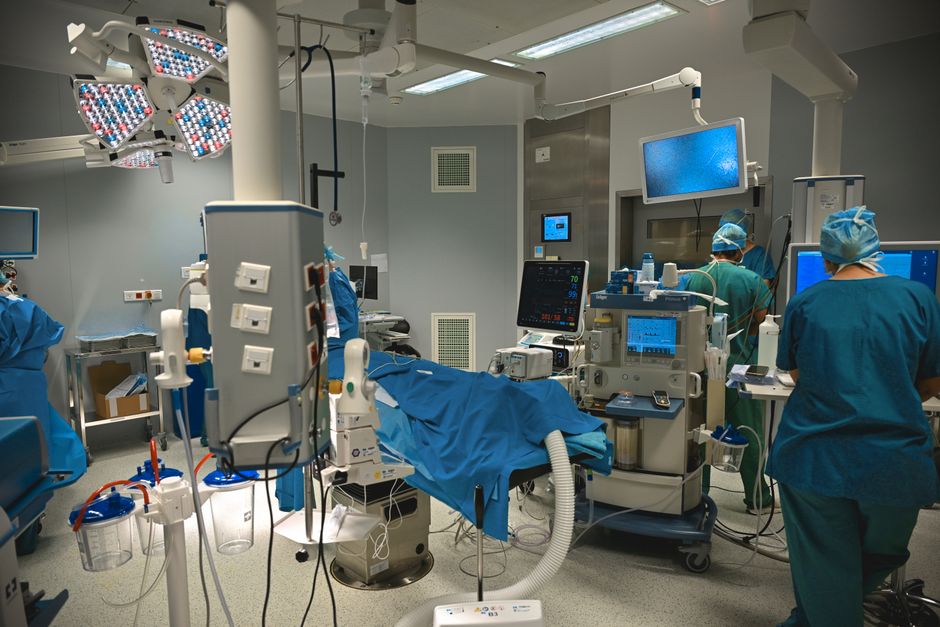
Some withdrawal processes, particularly from alcohol or benzodiazepines, can become medically dangerous without supervision, which is why certain patients need a hospital setting rather than an outpatient program. VFMC is licensed to provide what's known as ASAM Level 4 care, or medically managed intensive inpatient services, the highest intensity level in the ASAM continuum. This means daily physician oversight and 24-hour nursing, inside an 86-bed licensed acute care hospital.
Not everyone needs this level of intensity, and that's a clinical decision made during assessment, not something a family needs to determine on their own beforehand. VFMC also offers residential treatment for patients who are medically stable but still benefit from structured, live-in care. Many patients move between levels as their needs change, and the team helps arrange that transition rather than leaving families to figure it out.
How do you get referred for MAT and co-occurring care in Montgomery County?
Referrals can come from a hospital emergency department, a primary care physician, a county drug and alcohol case manager, or directly from the person or family seeking help. Montgomery County residents often connect through the county's behavioral health system, but self-referral and family referral are both accepted, and you do not need a formal referral letter in hand to call and ask questions.
If you already have a county case manager or an outpatient provider, it can help to let VFMC's admissions team know so records and history can be coordinated. If you don't have one yet, that's fine too. Pennsylvania's Department of Drug and Alcohol Programs (PA DDAP) oversees licensing and treatment standards across the state, and county case managers work within that framework, but reaching out to VFMC directly is often the fastest first step.
What happens during intake and how does insurance verification work?
Intake starts with a clinical assessment covering medical history, current substance use, mental health symptoms, and any prior treatment episodes. This assessment is what determines the appropriate level of care, whether that's the hospital-based inpatient program, residential treatment, or a combination as the person stabilizes and steps down.
Insurance verification typically happens before or during the admissions call, where the team checks your benefits and explains what information is needed. We won't promise here that any specific plan covers a stay, since behavioral health coverage varies by plan and by individual case, including for patients on Medical Assistance (MA). For general cost and billing questions, the price transparency page has more detail, and the admissions team can walk through your specific situation by phone.
What to bring is simple: identification, insurance information if you have it, a list of current medications, and comfortable clothing for a few days. Leave valuables at home. The what to expect page outlines the intake process in more detail if you want to review it before calling.
How long does a stay typically last, and what happens after discharge?
Length of stay depends on medical stability, withdrawal severity, and how a person's co-occurring symptoms respond to treatment, so there isn't a fixed number of days that applies to everyone. Physicians reassess regularly, and as a patient stabilizes, the clinical team looks at whether a lower level of care, like residential treatment or an outpatient MAT program, is the right next step.
VFMC's case management team coordinates that transition, including connecting patients with community resources back in Montgomery County or wherever they're returning to. Aftercare planning starts well before discharge day, not as an afterthought once someone is ready to leave. The goal is a plan that actually fits the person's life, not a generic handoff.
For a broader look at everything included in a stay, from medical detox through aftercare and alumni support, the full services overview covers each piece in plain terms.
Frequently asked questions
Do I need a referral to start medication-assisted treatment at VFMC?
No formal referral is required. Families, individuals, county case managers, and hospitals can all initiate contact directly with VFMC's admissions team, who will walk through assessment and next steps together, whether or not you already have a case manager or outside provider involved.
Will medication-assisted treatment be covered by my insurance?
Coverage depends on your specific plan, including Medical Assistance and behavioral health managed care benefits, so VFMC cannot promise coverage in advance. The admissions team verifies benefits as part of intake, and the price transparency page has general information while you wait to speak with someone.
Is methadone or Suboxone used the whole time someone is in the hospital?
Medication decisions, including which medication and for how long, are made individually by the treating physician based on medical history and current condition. VFMC does not publish general dosing or timelines because this always requires a clinical evaluation specific to the patient.
What if my family member has both a substance use disorder and a mental health diagnosis?
That's exactly what co-occurring or dual diagnosis care is built for. VFMC's clinical team assesses and treats both conditions together rather than one at a time, since untreated mental health symptoms often make substance use harder to address and vice versa.
How do I know if my loved one needs hospital-level care instead of outpatient treatment?
That determination is made through a clinical assessment covering withdrawal risk, medical conditions, and psychiatric symptoms, not something a family needs to figure out alone. Calling VFMC's admissions line and describing the situation is the fastest way to get an honest answer about the right level of care.
What happens after someone leaves VFMC?
Case management works with each patient before discharge to arrange the next step, which might be residential treatment, an outpatient program, or community-based support close to home. Aftercare planning is built into the stay, not added at the last minute, so patients leave with a concrete plan already in place.
This content is for educational purposes only and is not a substitute for professional medical advice. If you or someone you know is in crisis, call 988 or your local emergency number.
To talk with our admissions team, start the admissions process here or call (610) 539-8500. If you or someone you know is in crisis, call or text 988 anytime.