.svg)
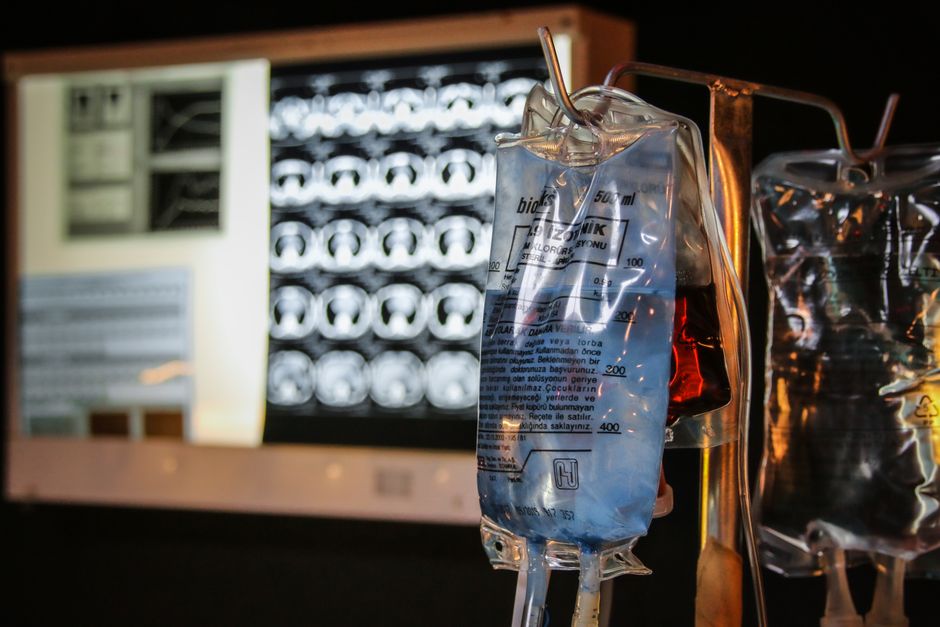
Medication-assisted treatment, known as MAT, combines FDA-approved medications such as buprenorphine/naloxone (often called Suboxone) or methadone with counseling and medical monitoring to treat opioid use disorder and manage withdrawal. How MAT is delivered, and how closely it's connected to mental health treatment, depends a lot on which level of care a patient is receiving it in. This post explains what that looks like at the hospital level of care compared with the residential level of care, and why co-occurring mental health conditions change the picture.
What is medication-assisted treatment?
Medication-assisted treatment uses medication to reduce withdrawal symptoms and cravings while a person works on recovery through counseling, case management, and peer support. It is not a replacement for treatment, it is one part of a broader plan that also addresses the medical, emotional, and social pieces of substance use disorder.
Medications like buprenorphine/naloxone and methadone act on the same brain receptors involved in opioid use, which is why they can ease withdrawal and reduce cravings without producing the same effects as illicit opioid use. Decisions about which medication, if any, is appropriate, and how it's managed over time, are made by a physician based on a full medical evaluation. This post describes MAT in general terms only, without dosing or induction details, because those decisions belong with your treatment team.
How is MAT different at the hospital level of care versus the residential level of care?
At the hospital level, MAT is started or adjusted under close, around-the-clock medical supervision. At the residential level, MAT is typically continued and monitored once a patient is medically stable, with less intensive but still consistent oversight.
Pennsylvania providers and county case managers use a shared framework called the ASAM Criteria to match patients to the right intensity of care. ASAM Level 4, known as medically managed intensive inpatient care, is the highest-intensity level in that system. It's delivered in a licensed hospital with 24-hour nursing and daily physician oversight, for patients whose withdrawal risk, medical condition, or psychiatric symptoms can't be safely managed anywhere less intensive. Some withdrawals, including alcohol and benzodiazepine withdrawal, can become medically dangerous, which is one reason a hospital level of care exists at all.
Residential treatment sits at a different point on that continuum. It still provides structure, clinical staff, and medical support, but it's built for patients who no longer need hospital-level monitoring and are ready to focus more heavily on therapy, skill building, and preparing for life after treatment.
VFMC operates both of these levels, so a patient can move from acute inpatient care into residential treatment without changing facilities or care teams. That continuity matters, especially for someone whose medical picture is still settling out.
What does co-occurring care mean, and why does it matter for MAT?
Co-occurring care means treating a mental health condition, like depression, anxiety, PTSD, or bipolar disorder, at the same time as a substance use disorder, rather than treating one and waiting on the other. It matters for MAT because untreated psychiatric symptoms can make withdrawal harder to manage and can undercut progress in recovery.
Integrated treatment brings medical staff, therapists, and psychiatric providers together around one plan instead of sending a patient between separate systems. For someone on MAT, that might mean a psychiatric evaluation happens alongside medical detox rather than after it, and that therapy addresses both the substance use and the underlying mental health condition from the start. This kind of dual diagnosis care is part of what defines a medically managed intensive inpatient program at the ASAM Level 4 level of care, and it continues, in a lower-intensity form, once a patient steps down to residential treatment.
How does Montgomery County fit into Pennsylvania's levels of care system?
Montgomery County uses the same statewide framework as the rest of Pennsylvania, which is built around the ASAM Criteria and coordinated through the Pennsylvania Department of Drug and Alcohol Programs (PA DDAP). That means a hospital in Norristown and a county case manager are working from the same shared language when they talk about levels of care.
For families in Norristown and the surrounding area, this framework is mostly useful in one practical way: it gives everyone, from the treatment center to the insurance reviewer to the county, a common set of terms for describing how sick someone is and what kind of care they need. You can read more about PA DDAP's role in that system at pa.gov/agencies/ddap. Coverage details vary by plan, including Medical Assistance behavioral health managed care, so specific questions about what a plan will cover are best directed to your insurer or to VFMC's admissions team rather than answered in general terms here.
How do you know when it's time to step down to a lower level of care?
The decision to move from hospital-level care to a residential level of care is made by the clinical team based on medical stability, not on a fixed number of days. Once withdrawal risk has come down and any acute medical or psychiatric issues are under control, a patient is typically ready to continue treatment in a less intensive setting.
This is where case management becomes important. VFMC's case management team helps coordinate that transition, working with the patient, the treatment team, and often the county or insurance plan to line up the next placement. The goal is a plan that carries forward, so MAT, therapy, and any wound care or other medical needs don't get interrupted between levels of care.
For patients dealing with complex wounds related to substance use, including skin and tissue infections that need ongoing attention, that continuity matters even more. VFMC's wound care program is built to carry that medical care across both the hospital and residential settings, rather than treating it as a separate problem.
What should you expect when you're ready to start this process?
Starting treatment usually begins with a clinical assessment that looks at withdrawal risk, medical history, mental health symptoms, and current living situation, the same six dimensions used across the ASAM Criteria. That assessment is what determines whether hospital-level care, residential care, or a different setting is the right starting point. You can read a general walkthrough of what that looks like at VFMC on the what to expect page, and details on medical detox and the broader services overview if you want more background before reaching out.
Frequently asked questions
Is medication-assisted treatment the same as just switching one drug for another?
No. MAT medications like buprenorphine/naloxone and methadone are prescribed and monitored by physicians to stabilize brain chemistry, reduce cravings, and ease withdrawal, alongside counseling and medical care. This is different from unsupervised opioid use because it's dosed, monitored, and paired with treatment aimed at long-term recovery.
Do I need to be in a hospital to receive MAT?
Not always. MAT can be started at a hospital level of care if withdrawal risk or medical complications require close monitoring, or it can be continued at a residential level of care once someone is medically stable. A clinical assessment determines which setting fits your situation.
What if I have both a mental health condition and a substance use disorder?
This is called a co-occurring disorder, and it's common enough that most quality treatment programs plan for it from the start. VFMC provides integrated treatment, meaning medical staff, therapists, and psychiatric providers work from one coordinated plan rather than treating the two conditions separately.
How long does someone usually stay at the hospital level of care before stepping down?
There's no fixed timeline. The clinical team reassesses withdrawal risk and medical stability regularly, and a patient moves to a residential level of care once those risks have come down enough to be safely managed there. Case management coordinates that transition once it's clinically appropriate.
Will my insurance cover MAT and co-occurring treatment?
Coverage depends on your specific plan, including Medical Assistance behavioral health managed care in Pennsylvania, so it's not something we can answer in general terms. VFMC's admissions team can help verify benefits, and the price transparency page has more information on costs.
What if someone isn't sure they're ready for treatment?
Readiness to change is one of the factors clinicians look at during assessment, and it doesn't have to be fully resolved before someone reaches out. A conversation with an admissions counselor or a clinical assessment can help sort out what level of care makes sense, even if the person is still weighing the decision.
This content is for educational purposes only and is not a substitute for professional medical advice. If you or someone you know is in crisis, call 988 or your local emergency number.
To talk with our admissions team, start the admissions process here or call (610) 539-8500. If you or someone you know is in crisis, call or text 988 anytime.