.svg)
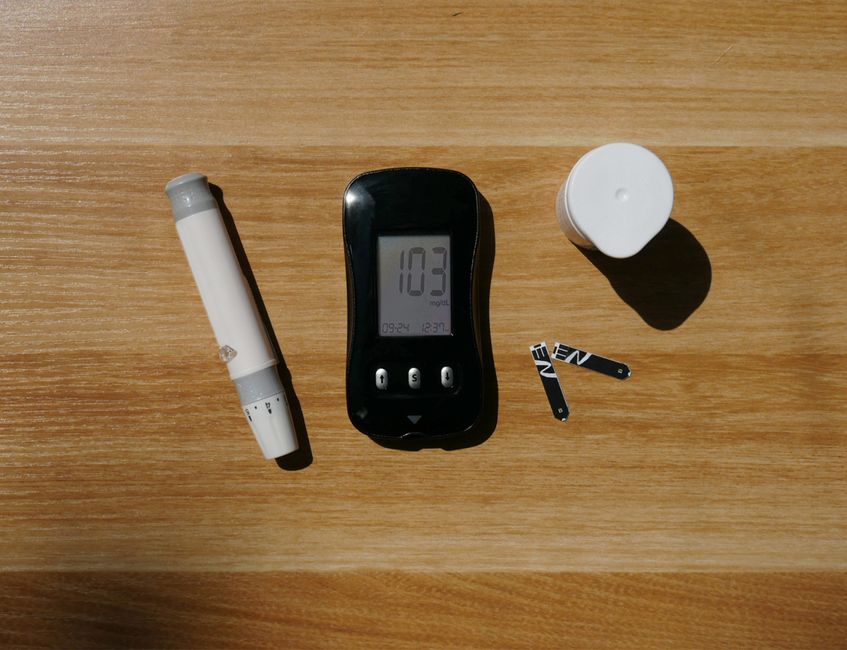
Medication-assisted treatment, often called MAT, uses FDA-approved medications like buprenorphine (sometimes combined with naloxone as Suboxone) or methadone alongside counseling to manage withdrawal and reduce cravings from opioid or alcohol use disorder. When a person also has depression, anxiety, PTSD, or another mental health condition, treating both at the same time, rather than one after the other, is what clinicians call integrated or dual diagnosis care. For families in the greater Philadelphia area trying to understand what this actually looks like, here's a plain-language walkthrough.
What is medication-assisted treatment, exactly?
Medication-assisted treatment pairs specific medications with counseling and medical monitoring to treat substance use disorder. The medications work on the same brain receptors involved in opioid or alcohol dependence, which reduces withdrawal symptoms and cravings so a person can focus on treatment instead of just getting through the day.
This isn't swapping one substance for another. It's a medical approach recognized by SAMHSA and NIDA as an evidence-based way to treat opioid use disorder and reduce risk of return to use. Medications like buprenorphine or methadone are administered and adjusted by physicians as part of a broader treatment plan, not handed out without oversight.
At VFMC, MAT is one piece of a larger continuum that includes medical detox and, for patients who need it, residential treatment afterward. The medication addresses the physical side. Counseling and case management address the rest.
Why do so many people need care for a mental health condition too?
Substance use disorder and mental health conditions frequently occur together because each one can make the other worse. Someone with untreated anxiety might use alcohol to quiet it, and heavy alcohol use can then deepen the anxiety, creating a cycle that's hard to break without treating both at once.
Depression, PTSD, bipolar disorder, and anxiety disorders are among the conditions most commonly seen alongside substance use, according to SAMHSA. Treating only the substance use, without addressing the underlying or co-occurring mental health condition, tends to leave a person vulnerable to returning to use once a stressor hits.
This is why VFMC's approach is described as integrated. The same team that manages withdrawal and medication also screens for and treats co-occurring conditions, so a person isn't bounced between separate providers who never talk to each other.
Why does this sometimes need hospital-level care instead of an outpatient program?
Some withdrawals and some combinations of physical and psychiatric symptoms are not safe to manage outside a hospital setting. Alcohol and benzodiazepine withdrawal, in particular, can become medically dangerous, and a person with an unstable mental health condition alongside active withdrawal needs 24-hour monitoring that an outpatient clinic simply isn't built to provide.
This is where the ASAM Criteria come in. The ASAM Criteria are the national standard that Pennsylvania providers and county case managers use to match a person with the right intensity of care, based on factors like withdrawal risk, medical complications, psychiatric stability, and the safety of their home environment.
The highest level on that scale is ASAM Level 4, medically managed intensive inpatient care. It means 24-hour nursing supervision and daily physician oversight inside a licensed hospital, for patients whose withdrawal risk or co-occurring medical or psychiatric condition can't be safely managed anywhere lower on the continuum. VFMC is licensed to provide this level of care, alongside residential and outpatient-adjacent services, so patients can move between levels as their condition changes.
What does MAT with co-occurring care actually involve at VFMC?
In practical terms, it starts with an assessment that looks at physical health, withdrawal risk, and mental health together, not as separate intake forms. From there, a physician determines whether medication is appropriate, and if so, which one and how it will be introduced and adjusted over time.
Nursing staff monitor vital signs and symptoms around the clock during the acute phase. Meanwhile, therapists and peer support staff begin working with the person on the psychological and behavioral side, which might include individual counseling, group sessions, and specific treatment for a diagnosed mental health condition.
Patients who also need wound care or IV therapy, which is common in cases of severe infection tied to substance use, receive that treatment in the same hospital stay rather than being transferred elsewhere. VFMC has described itself as the leading provider of addiction wound care in Pennsylvania, which matters for patients whose physical complications are as serious as their withdrawal risk.
A general example: someone arrives in withdrawal from opioids with an untreated mood disorder and a skin infection related to injection drug use. Instead of three separate providers, one hospital team manages the medical detox, starts the mental health treatment plan, and treats the wound, all under one roof.
What does recovery and step-down care look like after this stage?
Recovery after MAT and co-occurring treatment doesn't end at hospital discharge. Once a person is medically stable, the goal is to move to a lower, less restrictive level of care that still supports ongoing recovery, whether that's residential treatment, a structured outpatient program, or continued outpatient MAT closer to home.
VFMC's case management team works on this transition from early in the stay, not as an afterthought. That includes coordinating with community providers, helping with insurance questions related to Medical Assistance or behavioral health managed care benefits in general terms, and connecting patients to aftercare and alumni support once they leave.
Recovery from co-occurring conditions is rarely linear. Ongoing medication management, continued mental health treatment, and a stable living environment all factor into whether someone stays well after leaving a hospital setting, which is part of why the Pennsylvania Department of Drug and Alcohol Programs (PA DDAP) frames treatment as a continuum rather than a single event.
How do you know if MAT and hospital-level care are the right fit?
The honest answer is that it depends on a clinical assessment, not a checklist you can fill out at home. Withdrawal risk, medical complications, psychiatric symptoms, and the safety of a person's home environment all factor into whether ASAM Level 4 care, residential treatment, or something else is appropriate.
If you're trying to figure this out for yourself or a family member in the Philadelphia area, the fastest way to get a real answer is to talk to an admissions team who can walk through the assessment and intake process with you. You can also review VFMC's full range of services to understand what a hospital-based program covers.
Frequently asked questions
Is medication-assisted treatment the same as replacing one substance with another?
No. Medication-assisted treatment uses FDA-approved medications, prescribed and monitored by physicians, to reduce withdrawal symptoms and cravings while a person engages in counseling and other treatment. SAMHSA and NIDA both recognize MAT as an evidence-based approach, not a substitution of one substance use pattern for another.
Can co-occurring mental health conditions be treated at the same time as withdrawal?
Yes, and treating them together is generally considered more effective than treating them separately. Integrated care means the same clinical team screens for and manages mental health symptoms alongside withdrawal, medication, and any physical health needs, rather than referring a person elsewhere for one piece of their care.
What does ASAM Level 4 actually mean for my family member?
ASAM Level 4 is the highest level of care in the national ASAM Criteria framework, meaning medically managed intensive inpatient treatment inside a licensed hospital. It provides 24-hour nursing supervision and daily physician oversight for people whose withdrawal risk or co-occurring condition isn't safe to manage at a lower level of care.
How long does someone typically stay at this level of care?
Length of stay depends on individual medical and psychiatric stability, so there's no fixed timeline. Once a person is medically stable, the care team and case managers work on stepping them down to residential treatment or another appropriate level, based on ongoing assessment rather than a set number of days.
Does insurance cover this kind of treatment?
Coverage depends on the specific plan, including Medical Assistance and behavioral health managed care benefits, and VFMC's admissions team can help verify benefits before admission. For general cost information, visit the price transparency page, and speak directly with admissions for questions specific to your situation.
What if the person needing help lives outside Pennsylvania?
VFMC also treats patients traveling from New Jersey, Delaware, and New York, in addition to the greater Philadelphia area. Admissions can walk families through logistics, insurance verification, and what to expect regardless of where the patient is coming from.
This content is for educational purposes only and is not a substitute for professional medical advice. If you or someone you know is in crisis, call 988 or your local emergency number.
To talk with our admissions team, start the admissions process here or call (610) 539-8500. If you or someone you know is in crisis, call or text 988 anytime.