.svg)
Medication-assisted treatment (MAT) uses FDA-approved medications, such as buprenorphine/naloxone (often known by the brand name Suboxone) or methadone, alongside counseling and medical monitoring to ease withdrawal and support recovery from opioid use disorder. When someone is also living with a mental health condition like depression, anxiety, or PTSD, effective care treats both conditions at the same time instead of one after the other. This combined approach, often called dual diagnosis or co-occurring disorder treatment, is a core part of how Valley Forge Medical Center (VFMC) cares for patients from Pennsylvania, New Jersey, and Delaware.
What is medication-assisted treatment, and why does it matter for co-occurring conditions?
Medication-assisted treatment pairs FDA-approved medications with counseling and medical supervision to reduce withdrawal symptoms, ease cravings, and stabilize a person medically. It matters for co-occurring conditions because untreated depression, anxiety, trauma, or other psychiatric symptoms can make withdrawal harder and can raise the risk of returning to substance use if they're ignored.
VFMC uses MAT options including buprenorphine/naloxone and methadone, chosen and managed by addiction-certified physicians based on each patient's medical history and withdrawal risk. This isn't a one-size-fits-all protocol. A physician evaluates factors like which substance a person has been using, how long, and what other medical or psychiatric conditions are present before recommending a specific medication.
Co-occurring care means a psychiatric or behavioral health team works alongside the medical team from admission onward, rather than treating substance use first and mental health later. For a lot of patients, this integrated approach is what makes the medication part of treatment actually work, because untreated anxiety or depression can undercut even a well-managed detox.
Do you need medically managed hospital care or a lower level of care?
The short answer is that it depends on how risky your withdrawal is expected to be and what other medical or psychiatric conditions are in the picture. The Pennsylvania treatment system, including case managers working under the PA Department of Drug and Alcohol Programs (DDAP) framework, uses the ASAM Criteria to sort this out across six dimensions, including withdrawal risk, biomedical conditions, and psychiatric stability.
ASAM Level 4, or medically managed intensive inpatient care, is the highest-intensity level in that system. It means 24-hour nursing supervision and daily physician oversight inside a licensed hospital, reserved for people whose withdrawal risk or medical or psychiatric condition can't be safely managed anywhere less intensive. Alcohol and benzodiazepine withdrawal, for example, can become medically dangerous in ways that opioid withdrawal typically doesn't, which is part of why a physician's assessment matters so much here.
Here's a general comparison of the settings people are often weighing against each other:
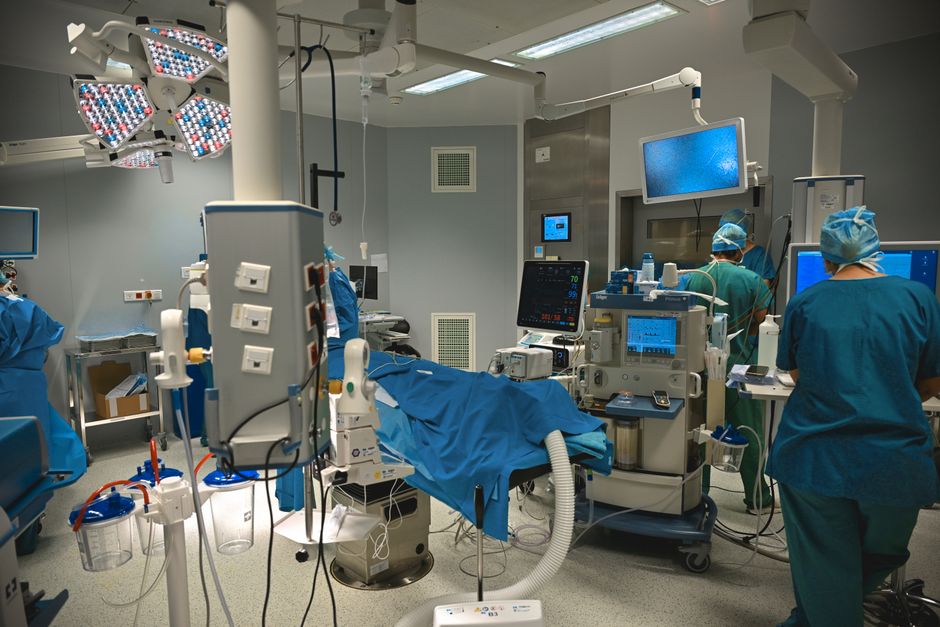
VFMC operates as a licensed acute inpatient hospital offering acute inpatient hospital care at the ASAM Level 4 standard, and it also runs its own residential treatment program with separate areas for men and women. That matters practically, because a patient who's medically stabilized on the hospital side can often step down to residential care within the same organization instead of being transferred somewhere new and starting the intake process over.
How does medical detox fit into medication-assisted treatment?
Medical detox is the supervised process of managing withdrawal safely, and MAT is often part of it when opioids are involved. Detox on its own isn't the same thing as treatment, it's the medical bridge that gets a person stable enough to engage with counseling, case management, and, if needed, ongoing medication.
At VFMC, medical detox happens under 24-hour nursing and physician supervision, with medications used to reduce discomfort and risk rather than eliminate it entirely. Patients with more complex medical needs, including wounds related to substance use, may also receive intensive wound care or IV therapy as part of the same hospital stay, which is one reason VFMC describes itself as a leading provider of addiction wound care in Pennsylvania.
How does VFMC treat co-occurring mental health conditions alongside substance use?
Co-occurring treatment at VFMC means psychiatric and addiction care happen in the same building, on the same treatment team, rather than being split across two providers. A patient dealing with both opioid use disorder and, say, generalized anxiety, works with clinicians who can see the whole picture and adjust the treatment plan as both conditions shift.
This integrated model matters because SAMHSA has long identified co-occurring mental health and substance use conditions as common, and treating them separately tends to leave gaps. Therapists, addiction-certified physicians, nurses, and peer support staff coordinate daily, and a psychiatric evaluation is typically part of the admission process so the mental health piece isn't an afterthought.
What happens after medication and medical stabilization?
Once a patient is medically stable, the typical next step is moving to a lower level of care rather than staying in the hospital setting indefinitely. VFMC's case management team works with patients and, where relevant, county or insurance-based behavioral health contacts to arrange that placement, whether that's VFMC's own residential program, an outpatient provider closer to home, or another appropriate setting.
Aftercare planning starts well before discharge. VFMC's aftercare and alumni support is meant to help patients hold onto what they've built during treatment, since the transition out of a structured setting is often when relapse risk is highest.
What does this mean for families in Pennsylvania, New Jersey, and Delaware?
For families outside Pennsylvania, the practical question is usually whether a facility can take a patient who needs hospital-level medical management, not just residential support. VFMC is licensed as an acute inpatient hospital, which means it can accept patients with more complex withdrawal risk or co-occurring medical conditions than many residential-only programs can safely manage.
Insurance coverage, including Medical Assistance and behavioral health managed care plans common in Pennsylvania, varies by plan and by patient, so admissions staff typically verify benefits individually rather than promising coverage in advance. You can review general information on the price transparency page, and the admissions team can walk through what applies to your specific situation.
Frequently asked questions
Is Suboxone the same as methadone?
No, they're different medications with different mechanisms, though both are used in medication-assisted treatment for opioid use disorder. A physician decides which one, if either, fits a patient's situation based on medical history, prior treatment, and other factors, so this decision is always individualized rather than automatic.
Can you get treated for a mental health condition and a substance use disorder at the same time?
Yes, this is called integrated or co-occurring disorder treatment, and it's the standard approach at VFMC. Treating both conditions together, rather than requiring one to be resolved before addressing the other, tends to produce a more complete and more stable recovery plan.
What's the difference between hospital-level care and residential treatment?
Hospital-level care, called ASAM Level 4, involves 24-hour nursing and daily physician oversight for higher-risk withdrawal or unstable medical or psychiatric conditions. Residential treatment is a live-in setting focused on counseling and structure for patients who no longer need that intensity of medical monitoring.
Do I need a referral to be admitted?
Not necessarily. Many patients contact VFMC's admissions team directly, and a clinical assessment during the admissions process helps determine the appropriate level of care, whether that's acute inpatient, residential, or something else.
Will my insurance cover medication-assisted treatment?
Coverage depends on your specific plan, and VFMC cannot guarantee coverage for any level of care. The admissions team verifies benefits individually, and general information is available on the price transparency page before you commit to anything.
How do I know if withdrawal is dangerous enough to need a hospital instead of outpatient care?
Certain withdrawals, particularly from alcohol or benzodiazepines, can become medically dangerous in ways that require close monitoring. Only a clinician can assess this safely, so if you're unsure, the safest step is to call an admissions or medical team for an evaluation rather than guessing.
This content is for educational purposes only and is not a substitute for professional medical advice. If you or someone you know is in crisis, call 988 or your local emergency number.
To talk with our admissions team, start the admissions process here or call (610) 539-8500. If you or someone you know is in crisis, call or text 988 anytime.