.svg)
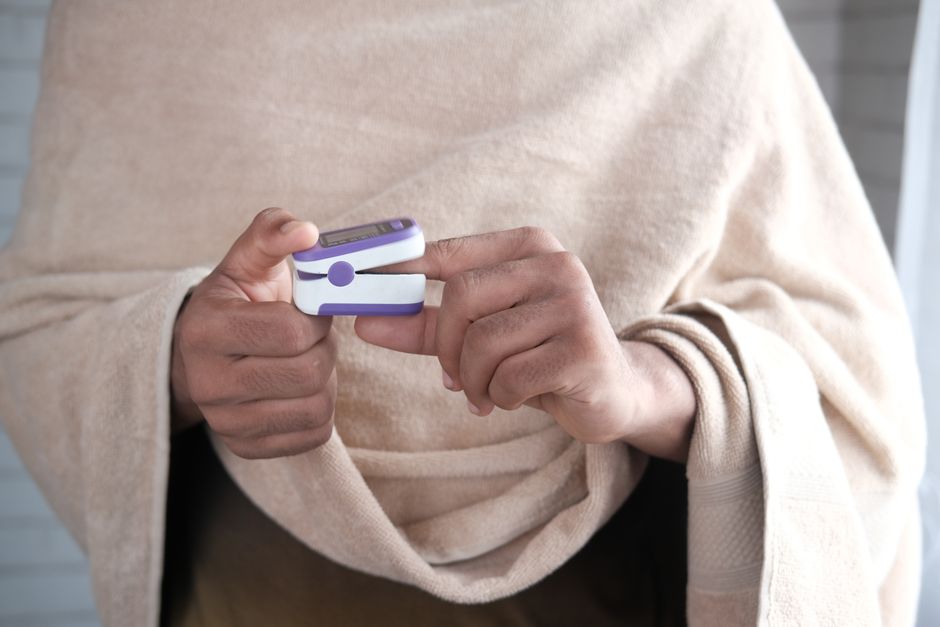
If you're asking whether a loved one's medication misuse has become a medical emergency, here's the direct answer: it has if you're seeing signs like extreme drowsiness, slowed or irregular breathing, confusion, vomiting while sedated, or a combination of prescription drugs and alcohol taken together. In those situations, call 911 or your local emergency number first, then reach out to a treatment provider for what happens next. This article explains how ordinary medication use can escalate into something dangerous, and what level of medical care a person may need once that happens.
Medication misuse is more common than most families expect, and it doesn't always look like what people picture. It can be someone taking an extra dose of a prescribed anxiety medication because a bad day felt unmanageable. It can be combining a sleep aid with wine to fall asleep faster. It can be taking a friend's leftover pain pills for a flare of back pain. None of these examples are moral failures. They're the kind of decisions people make under stress, pain, or habit, and sometimes they carry real medical risk.
What counts as medication misuse?
Medication misuse means taking a drug in a way other than how it was prescribed or intended, including different doses, different timing, or combining it with something else. This includes using someone else's prescription, taking more than directed, or mixing medications without checking whether they interact. It also includes combining prescribed medications with alcohol, cannabis, or over-the-counter drugs.
The risk isn't just about which substance a person takes. It's about how substances interact in the body, especially with the central nervous system. Opioids, benzodiazepines, sleep medications, muscle relaxants, and alcohol all slow breathing and heart rate to some degree. Combine two or more, even at doses that would be fine alone, and the effect can multiply rather than simply add up.
Why is mixing medications with alcohol especially risky?
Mixing medications with alcohol is risky because alcohol amplifies the sedating effect of many prescription drugs, which can suppress breathing to a dangerous point. This is true even for medications that feel routine, like a prescribed sleep aid or an anti-anxiety medication taken exactly as directed on its own. Add alcohol, and the same dose behaves differently.
The Centers for Disease Control and Prevention (CDC) and the National Institute on Drug Abuse (NIDA) both note that combining alcohol with opioids, benzodiazepines, or other sedating medications increases the risk of overdose. This holds true whether the combination was intentional or the person genuinely didn't realize the interaction existed. A lot of medication misuse starts exactly that way, as a gap in information rather than an intent to cause harm.
This is part of why VFMC treats co-occurring medical and psychiatric needs together rather than separately. Someone managing anxiety, chronic pain, or insomnia alongside a substance use disorder often needs both concerns addressed in the same treatment plan, not two disconnected ones.
What are the warning signs that medication misuse has become an acute medical need?
The clearest warning signs are changes in breathing, consciousness, or coordination that don't resolve quickly. Slurred speech, extreme drowsiness a person can't be roused from, blue lips or fingertips, vomiting while sedated, or confusion that comes on suddenly all point to a medical emergency, not something to wait out at home.
Withdrawal can be just as dangerous as the misuse itself. Stopping certain substances abruptly, particularly alcohol or benzodiazepines, can cause withdrawal symptoms that escalate into seizures or other medical complications. This is one reason clinicians strongly discourage stopping these substances without medical supervision, even when someone is highly motivated to quit.
If you're not sure whether what you're seeing qualifies as an emergency, treat it as one. A brief evaluation by emergency medical staff costs far less, in every sense, than waiting to see if things improve on their own.
What kind of care does someone need once misuse becomes a medical issue?
Once medication misuse has caused a medical complication, or once withdrawal risk is significant, the safest setting is often what's known as medically managed intensive inpatient care, referred to in Pennsylvania treatment settings as ASAM Level 4. This is the highest intensity level in the ASAM Criteria, the national framework used to match patients to the right level of addiction treatment based on their medical and psychiatric needs.
ASAM Level 4 means 24-hour nursing care and daily physician oversight inside a licensed hospital, for patients whose withdrawal risk, medical condition, or psychiatric symptoms can't be safely managed anywhere less intensive. VFMC provides this level of care at its 86-bed licensed acute inpatient hospital in Norristown, along with medical detox with medication-assisted treatment for patients whose bodies need a supervised, gradual withdrawal process rather than an abrupt stop.
VFMC has also built specific expertise in a complication that often goes unspoken: the physical wounds that can accompany long-term substance use, including injection-related infections and skin breakdown. VFMC describes itself as the leading provider of addiction wound care in Pennsylvania, offering intensive wound care and IV therapy alongside addiction treatment rather than sending patients elsewhere for it. For families dealing with both a substance use concern and an untreated wound, that combination of services under one roof can matter a great deal.
How does a hospital decide what level of care someone needs?
Clinicians use the ASAM Criteria to assess six dimensions before deciding on a level of care: intoxication and withdrawal risk, biomedical conditions, emotional and psychiatric conditions, readiness to change, risk of relapse or continued use, and the safety of a person's recovery environment. No single symptom decides placement on its own.
A patient who needed hospital-level monitoring for withdrawal may stabilize within days and step down to residential treatment, a lower-intensity setting that still provides structured, 24-hour support but without the hospital-level medical monitoring. VFMC maintains separate residential areas for men and women and uses its case management team to coordinate that transition, along with the aftercare and alumni support that follows discharge. The goal at every stage is matching the setting to what the person actually needs medically, not defaulting to the most intensive option available.
Where can Montgomery County families start?
Families in Norristown and across Montgomery County can start by calling a treatment provider directly or asking a primary care physician for a referral to an assessment. VFMC, located in Norristown roughly 20 miles from Philadelphia, has provided hospital-based addiction treatment since 1973 and accepts patients from across Pennsylvania as well as New Jersey, Delaware, and New York.
The Pennsylvania Department of Drug and Alcohol Programs (PA DDAP) oversees licensed treatment providers statewide and is a useful resource for understanding how levels of care are structured in Pennsylvania. Insurance coverage, including Medical Assistance and behavioral health managed care plans, varies by individual case, so it's worth reviewing VFMC's price transparency information and speaking with admissions directly rather than assuming what will or won't be covered.
If you're trying to figure out what happens after that first call, VFMC's what to expect page walks through the admissions and assessment process step by step, and the full services overview outlines every level of care available on site.
Frequently asked questions
Is it dangerous to take an extra dose of a prescribed medication?
It can be, depending on the medication and the person's overall health. Even small increases above a prescribed dose can affect breathing, heart rate, or coordination, particularly with opioids, benzodiazepines, or sleep medications. If this has already happened, contact a pharmacist, physician, or poison control rather than guessing whether it's safe to wait it out.
How do I know if someone needs emergency care versus a treatment program?
If someone is having trouble breathing, can't be woken up, or shows sudden confusion, that's an emergency and needs 911 or an emergency room right away. Once they're medically stable, a treatment assessment can determine whether they need hospital-level care, residential treatment, or an outpatient level of support going forward.
Can someone safely detox from alcohol or medications at home?
Some withdrawal, particularly from alcohol or benzodiazepines, can become medically dangerous and is not safe to manage without supervision. A clinician can assess withdrawal risk and recommend whether medical detox in a supervised setting is needed before any decisions are made about stopping a substance.
What does ASAM Level 4 actually mean for a patient?
ASAM Level 4, or medically managed intensive inpatient care, means a patient is treated inside a licensed hospital with 24-hour nursing staff and daily physician visits. It's used when withdrawal risk or a co-occurring medical or psychiatric condition is too significant to manage safely at a lower level of care.
Does VFMC only treat patients who need hospital-level care?
No. VFMC provides both hospital-level medically managed care and residential treatment, along with medical detox, case management, and aftercare, so patients can move to the level of care that matches their needs as those needs change during treatment.
Will insurance cover a stay for medication misuse or a medical detox?
Coverage depends on the specific plan, including Medical Assistance and behavioral health managed care benefits, and it isn't possible to promise coverage without a review. VFMC's admissions team can help verify benefits, and the price transparency page has general information while that review is happening.
This content is for educational purposes only and is not a substitute for professional medical advice. If you or someone you know is in crisis, call 988 or your local emergency number.
To talk with our admissions team, start the admissions process here or call (610) 539-8500. If you or someone you know is in crisis, call or text 988 anytime.