.svg)

If someone you love refused ambulance transport after being revived with Narcan, you still have real options and the clock is on your side for only so long. Naloxone, the medication sold under the brand name Narcan, temporarily reverses an opioid overdose, but it wears off and the original drug can still be active in the body. You do not need a 911 transport or an emergency room visit to get that person evaluated for hospital-level addiction care. An admissions team can arrange a direct clinical assessment the same day, often faster than waiting on an ER bed.
What should you do right now if they refused the ambulance?
Stay with the person if it's safe to do so, and watch for signs the overdose is returning as the naloxone wears off, including slowed breathing, blue lips, or unresponsiveness. Naloxone's effects can fade before all the opioid has cleared the body, which is part of why paramedics usually recommend observation, even when a person feels alert and insists they're fine.
If you cannot convince them to go to an ER, you can still call a treatment center's admissions line directly. You can describe what happened, including any medications used, and ask whether the situation sounds like it meets criteria for a higher level of care. This single phone call is often the fastest route into treatment, faster than trying to talk someone into an ambulance they've already refused.
What is ASAM Level 4 care, and why does it come up after an overdose?
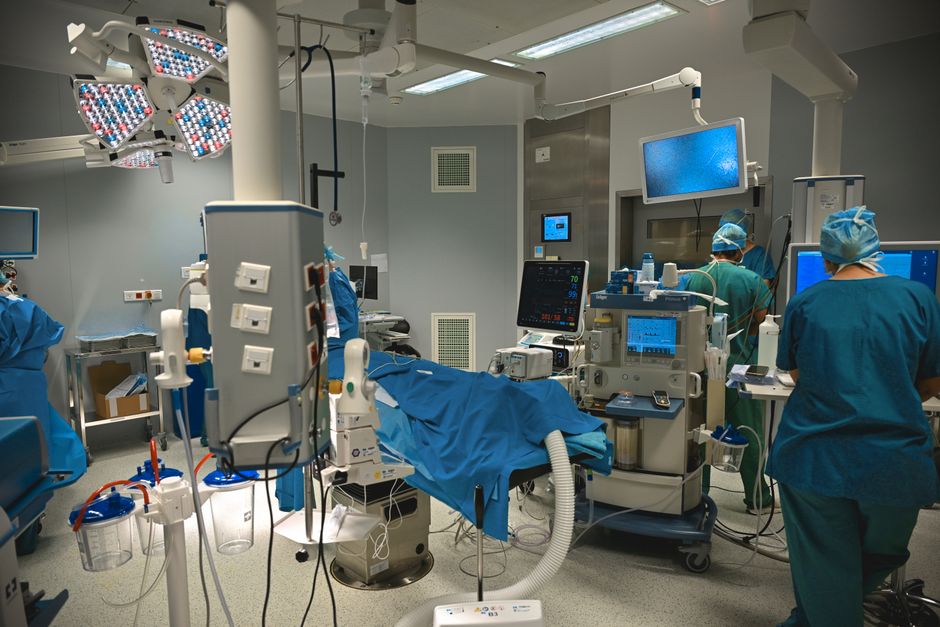
ASAM Level 4 is the technical name for medically managed intensive inpatient care, the highest intensity level in the national addiction treatment framework built by the American Society of Addiction Medicine. It means 24-hour nursing supervision and daily physician oversight inside a licensed hospital, for situations where withdrawal risk or a medical or psychiatric complication can't be safely managed anywhere less intensive.
Pennsylvania treatment providers, county case managers, and insurers all use this same "Levels of Care" language, borrowed from what's known nationally as the ASAM Criteria. An overdose reversal is one of the clearest signals that a person's situation needs to be looked at against that framework, because it shows the body has already crossed into a medically dangerous zone once.
When does someone actually qualify for ASAM Level 4 care?
Qualification comes down to risk that a lower level of care, like outpatient counseling, an intensive outpatient program, residential treatment, or a medically monitored detox unit, cannot safely absorb. The ASAM Criteria evaluate this across six dimensions: intoxication and withdrawal risk, biomedical conditions, emotional and behavioral conditions, readiness to change, risk of continued use or relapse, and the safety of the person's living environment. A recent overdose touches several of these dimensions at once, which is exactly why it often pushes someone up the continuum rather than down.
Four clinical patterns tend to move a person into Level 4 specifically:
None of these triggers require a person to "hit bottom" in some dramatic way before they count. An overdose that someone walked away from, even one where they insisted they were fine and refused the ambulance, is already a data point a clinician can use to recommend Level 4 care.
What does the admission process actually look like, step by step?
Families usually picture a chaotic ER scene, but admission to a hospital-based program like VFMC follows a more predictable sequence. Here's the general shape of it, start to finish.
Stage 1: The first call
A family member, a referring provider, or the person themselves calls the admissions line. The admissions team asks about recent substance use, any overdose events, medications, medical history, and current living situation, then schedules an assessment, often the same day.
Stage 2: Clinical assessment across the six dimensions
A clinician evaluates the person against the same six ASAM dimensions described above: withdrawal risk, medical conditions, mental health, motivation, relapse risk, and home environment. This assessment is what determines whether Level 4 hospital care, residential treatment, or another level fits best, rather than any single symptom deciding it alone.
Stage 3: Medical stabilization and detox
If admitted at the Level 4 hospital tier, the person is monitored around the clock by nursing staff with daily physician visits. This stage may include medication-assisted treatment to ease withdrawal, wound care for injection-related infections, or IV therapy, depending on what the body needs to stabilize first.
Stage 4: Stepping down to residential care
Once vital signs and withdrawal symptoms are stable, most patients step down to a lower-intensity residential program rather than leaving treatment altogether. VFMC maintains separate residential areas for men and women, and the case management team coordinates this transition so there's no gap in care between hospital and residential days.
Stage 5: Discharge planning and aftercare
Before discharge, case managers help arrange what comes next, whether that's continued outpatient counseling, a sober living placement, or ongoing medication management. Aftercare and alumni support exist specifically because the highest overdose risk often shows up in the days right after a stay ends, not during it.
Will insurance cover this, and does it matter if you're calling from New Jersey or Delaware?
Insurance context varies by plan, so no treatment center can promise coverage over the phone before an assessment. What's true generally is that Pennsylvania's behavioral health system, including Medical Assistance managed care, recognizes ASAM Levels of Care as the standard for deciding what's medically necessary, and the Pennsylvania Department of Drug and Alcohol Programs (PA DDAP) oversees how that framework is applied statewide.
VFMC is located in Norristown, about 20 miles from Philadelphia, and regularly admits patients traveling from New Jersey and Delaware as well as across Pennsylvania. For specifics on your own plan, the admissions team can run a verification before you commit to anything, and the price transparency page has general information on costs as well.
Frequently asked questions
Can I bring someone straight to a treatment center instead of calling an ambulance again?
Yes. If they're medically stable enough to travel and not in active overdose or withdrawal, you can call a treatment center's admissions line directly and describe what happened. A clinician can advise whether to go straight there, to an ER first, or wait for a scheduled assessment.
What if they refuse to go anywhere at all right now?
You can't force an adult into treatment in most situations, so focus on safety in the moment and keep the conversation open. Share information about what medically managed inpatient care involves, and let them know the option exists whenever they're ready, even if that's hours or days later.
Is ASAM Level 4 the same thing as detox?
Not exactly. Detox is one part of what happens inside Level 4 care, but Level 4 also covers medical complications, psychiatric crises, and intensive monitoring beyond withdrawal management alone. Lower-intensity detox programs exist too, for people whose withdrawal risk doesn't require hospital-level supervision.
How fast can someone actually get admitted after an overdose?
Many patients are assessed the same day they call, though exact timing depends on bed availability and the urgency of the clinical picture. Calling as soon as possible after an overdose, rather than waiting to see how the person does, generally shortens that timeline.
Does VFMC accept patients from New Jersey or Delaware?
Yes. VFMC is based in Norristown, Pennsylvania, roughly 20 miles from Philadelphia, and regularly admits patients traveling from New Jersey, Delaware, and other nearby states for both hospital-level and residential treatment.
What happens once someone is medically stable, do they just go home?
Not usually. Most patients step down from Level 4 hospital care into a residential program, intensive outpatient care, or another appropriate level, with a case manager coordinating the handoff. Discharge planning starts early in the stay, not at the last minute.
This content is for educational purposes only and is not a substitute for professional medical advice. If you or someone you know is in crisis, call 988 or your local emergency number.
To talk with our admissions team, start the admissions process here or call (610) 539-8500. If you or someone you know is in crisis, call or text 988 anytime.