.svg)
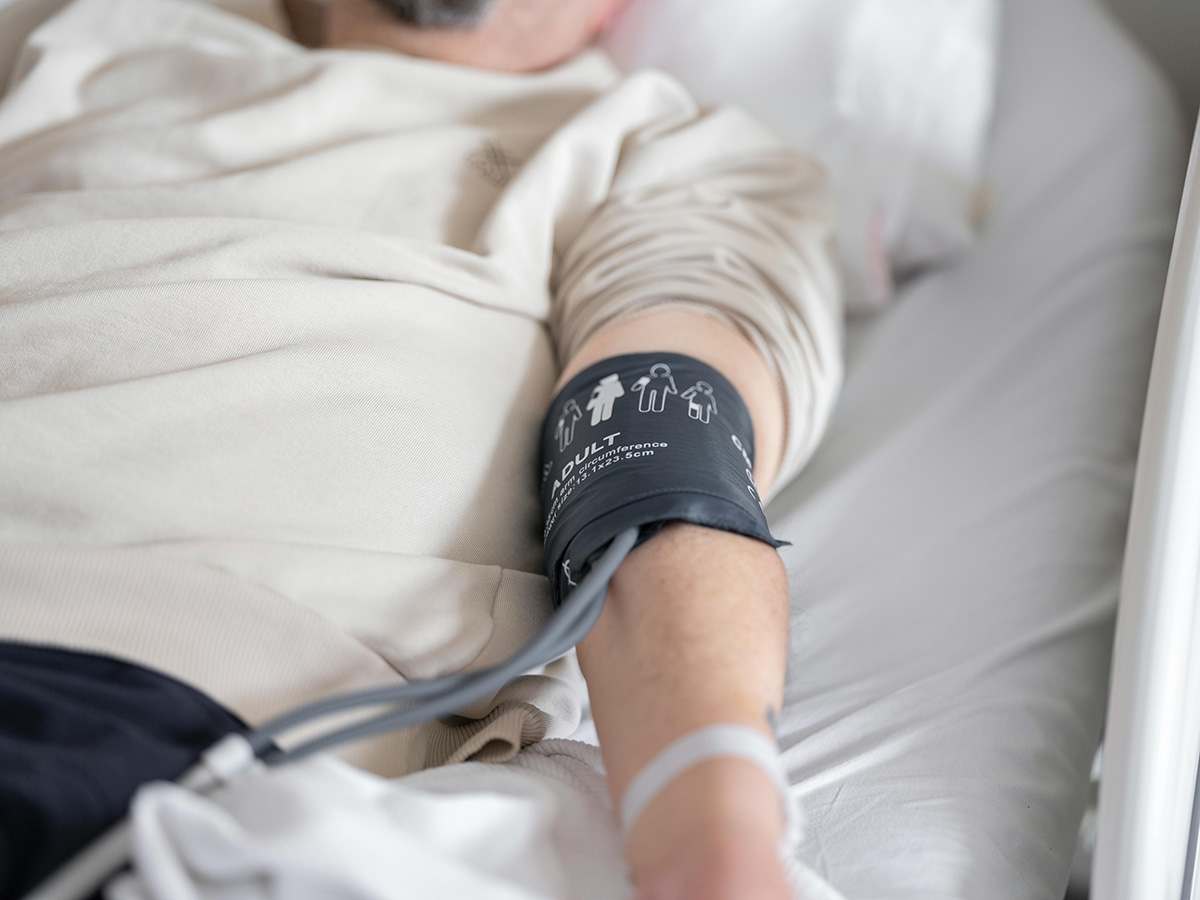
Deciding whether inpatient care is necessary can be very difficult. Many people delay treatment because they are unsure if their substance use is “serious enough,” worry about stepping away from work or family, or hope they can manage recovery on their own. Unfortunately, waiting too long can increase medical risk and make recovery more complicated.
At Valley Forge Medical Center, a trusted drug and alcohol treatment center, admissions decisions are guided by medical criteria, patient safety, and the level of support needed to stabilize both physical and mental health. Understanding the signs that inpatient treatment may be appropriate can help individuals and families make informed decisions before a crisis occurs.
Signs Inpatient Treatment May Be The Right Next Step
Recognizing when outpatient care is no longer enough is often the first step toward safer recovery. According to the American Society of Addiction Medicine (ASAM), inpatient treatment is recommended when substance use presents medical, psychological, or safety risks that cannot be managed in an outpatient setting.
Common indicators that a higher level of care may be appropriate include:
- Withdrawal symptoms when substance use stops or decreases
- Needing substances to feel “normal” or avoid feeling sick
- Loss of control despite consequences at work, home, or school
- Increasing tolerance or mixing multiple substances
- Prior unsuccessful attempts at outpatient or self-directed recovery
- Safety concerns such as overdose history, impaired judgment, or unstable housing
Admissions teams evaluate these factors using the ASAM Criteria, which assess withdrawal severity, physical health conditions, mental health status, relapse risk, and the stability of a person’s living environment. When one or more of these areas presents elevated risk, inpatient treatment provides round-the-clock clinical support, medical oversight, and a structured environment designed to protect patient safety.
The Medical Risks of Delaying Treatment
When warning signs are present, delaying care can significantly increase health risks. According to the Centers for Disease Control and Prevention (CDC) and the National Institute on Drug Abuse (NIDA), prolonged substance use raises the likelihood of severe withdrawal complications, overdose, and long-term damage to organs such as the heart, liver, and brain.
Additionally, mental health symptoms such as anxiety and depression often worsen over time, especially when substance use continues. Changes in tolerance also increase overdose risk, particularly when individuals return to previous levels of use after a short period of reduced or paused consumption. Inpatient treatment helps interrupt this cycle by stabilizing both physical and mental health while reducing immediate risk.
Despite these risks, many people hesitate to seek help because they worry they are “not bad enough” to need inpatient treatment. Admissions professionals hear this concern frequently. Clinical standards make it clear that inpatient care is not solely reserved for people who have reached a breaking point.
According to the ASAM Criteria and the Substance Abuse and Mental Health Services Administration (SAMHSA), treatment decisions are based on clinical risk—not on how severe someone’s situation appears compared to others. If substance use is affecting physical health, mental well-being, or safety, inpatient care may be appropriate—even if daily responsibilities are being managed. Early intervention often leads to better outcomes and a more stable recovery process.
What To Expect During The First Days of Inpatient Treatment
The first days of inpatient treatment focus on stabilization, safety, and support. Individuals entering a medical detox or inpatient program can expect:
- A comprehensive medical and psychiatric evaluation
- Supervised withdrawal management when needed
- 24/7 medical monitoring
- Introduction to therapy and recovery-focused services
- A personalized care plan based on individual needs
This structured environment allows patients to focus fully on recovery while medical teams address both immediate symptoms and long-term treatment planning through evidence-based rehabilitation programs.
Taking The First Step Toward Recovery
Recognizing the need for inpatient care is a sign of awareness, not weakness. When substance use begins to compromise health, safety, or quality of life, professional care can make a life-saving difference.
As one of the leading substance abuse treatment centers in PA, Valley Forge Medical Center provides integrated treatment for co-occurring disorders, combining medical stabilization, therapy, and structured support under one roof. If you or a loved one is unsure whether inpatient care is the right step, speaking with an admissions professional can provide clarity and guidance.
For those searching for a rehabilitation center near me, confidential help is available. Call (610) 539-8500 or visit vfmc.net to learn more about treatment options and begin a safe path forward.