.svg)
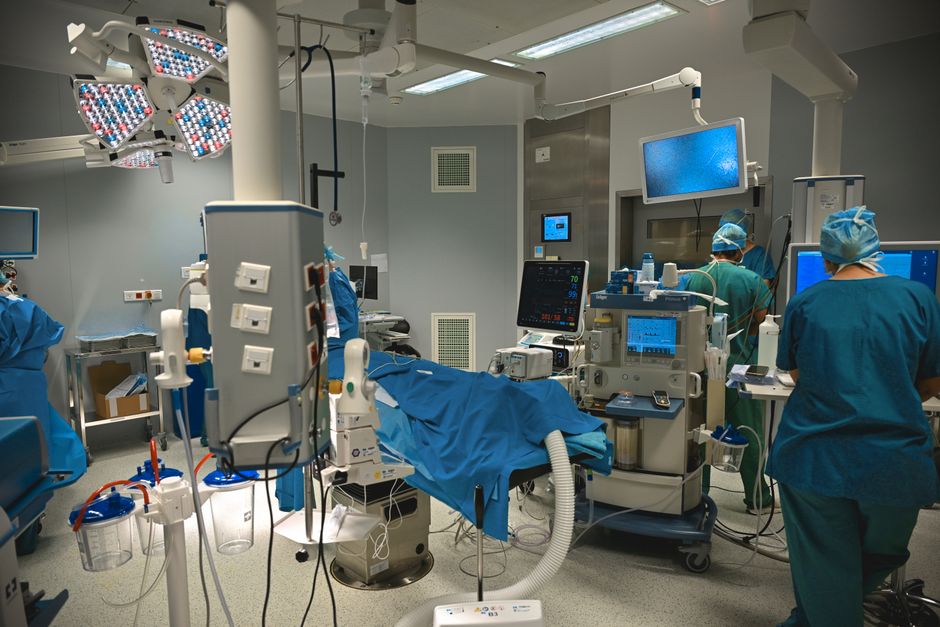
If you take methadone or Suboxone (buprenorphine/naloxone) and need hospital-level care, your medication does not just stop at the door. Valley Forge Medical Center's medical staff contact your opioid treatment program (OTP) or prescriber directly to confirm your current dose, then work to keep you on a consistent schedule for the length of your stay. This process, sometimes called verifying methadone dose for hospital admission, is a standard part of how VFMC coordinates care for people already receiving medication-assisted treatment (MAT).
VFMC is a licensed acute inpatient hospital in Norristown, Pennsylvania, about 20 miles from Philadelphia, and has treated people for substance use and co-occurring conditions since 1973. The hospital provides ASAM Level 4 care, the term the Pennsylvania Department of Drug and Alcohol Programs (DDAP) and county case managers use for medically managed intensive inpatient services, meaning 24-hour nursing and daily physician oversight in a hospital setting. It also offers residential treatment, medical detox, and the state's leading addiction wound care program, so a single admission can cover more than one need at a time.
What happens to your methadone or Suboxone dose when you're admitted?
Your medication-assisted treatment generally continues once the medical team confirms your current dose and schedule. VFMC's physicians do not restart you from scratch or guess at a number. They verify what you're already taking, through your outpatient program or prescriber, and build your inpatient medication plan around that confirmed information.
This matters because an interruption in MAT can trigger withdrawal symptoms or unnecessary distress, and verification protects against both an unsafe gap in treatment and an unintentional duplication of medication. The goal is continuity, not a restart. Your care team will also evaluate whether any other medical issue, like an infection requiring IV therapy or a wound needing specialized care, needs to be managed alongside your MAT during the same stay.
How does VFMC verify your dose with your home OTP or prescriber?
VFMC's nursing and medical staff reach out to your outpatient methadone clinic or buprenorphine prescriber directly, typically by phone and fax, as part of the admission process. They ask for your current dose, your dosing schedule, your last date of administration, and any recent changes your provider has made.
Federal and state regulations around methadone dispensing mean this kind of direct provider-to-provider confirmation is the expected and safest way to verify a dose, rather than relying only on what a patient remembers or reports. If you're admitted outside your home clinic's normal business hours, the hospital's physicians will manage your care safely in the interim and complete verification as soon as your program can be reached. Case management is often involved early in this process to help track down contact information and keep the outpatient provider in the loop.
What records or proof should you bring to admission?
Bringing documentation speeds up verification and reduces delays in your care. It's not required to have everything, but the more you bring, the faster your medical team can confirm your dose.
If a family member or case manager is helping arrange admission, they can also gather this information ahead of time. VFMC's what to expect page walks through what typically happens on your first day, including what intake staff will ask you.
How is continuity maintained during an inpatient or residential stay?
Continuity is maintained through 24-hour nursing supervision, daily physician review, and a care plan built around your confirmed medication history. Once your dose is verified, your medical team monitors how you're doing and adjusts your overall treatment plan as needed, without guessing at your medication history.
Some patients need medically managed intensive inpatient care, the hospital-level service known as ASAM Level 4, because withdrawal risk or a co-occurring medical condition can't be safely managed anywhere else. Others step down to residential treatment once they're medically stable, which offers a less intensive but still structured environment. VFMC's case management team helps arrange that transition and works with your home OTP or prescriber again before discharge, so your outpatient care picks up without a gap.
How are co-occurring psychiatric medications coordinated?
Psychiatric medications are reviewed and managed alongside your MAT as part of one coordinated plan, not two separate ones. Many people receiving methadone or Suboxone also take medication for depression, anxiety, PTSD, or another mental health condition, and VFMC's model treats substance use and mental health together rather than addressing one and ignoring the other.
During intake, VFMC's medical team gathers information on any psychiatric medications you take, confirms them with your prescriber where possible, and factors them into your overall treatment plan. This integrated approach to dual diagnosis, meaning a substance use disorder and a mental health condition occurring at the same time, is built into both the hospital-level and residential programs, not offered as an add-on.
What's the first step if you need this kind of care?
The first step is usually a referral or a direct call to VFMC's admissions team, who can start insurance verification and begin collecting your medication and provider information right away. Referrals can come from a hospital emergency department, a county drug and alcohol case manager, a treatment provider, or directly from you or a family member.
Admissions staff will ask basic questions about your current medications, any medical conditions, and your insurance, including Medical Assistance or behavioral health managed care coverage, to confirm appropriate levels of care before you arrive. You can review general information on coverage through VFMC's price transparency page, though specific coverage questions are best answered directly by the admissions team.
Frequently asked questions
Will I lose my spot at my methadone clinic if I go to the hospital?
Most outpatient programs expect this kind of coordination and work with hospitals regularly, so a short hospital stay for medical reasons typically does not mean losing your place. VFMC's staff communicate directly with your clinic about your admission and expected length of stay, and your case manager can help confirm details specific to your program.
Can VFMC verify my dose if I was admitted overnight or on a weekend?
Yes. Physicians manage your care safely while they work to reach your program, and verification is completed as soon as the clinic or prescriber can be contacted. This may mean a short delay in confirming your exact dose, but it does not mean your overall care is paused.
Do I need to bring my medication bottles with me?
It helps, but it's not required. Bringing your medication bottles, a pharmacy printout, or your clinic's contact information speeds up verification, while VFMC's staff can also reach your provider directly if you arrive without documentation.
What if my psychiatric medications come from a different provider than my MAT?
That's common, and VFMC's medical team will reach out to each provider separately as needed. Your psychiatric medications and your methadone or Suboxone treatment are reviewed together as one plan during your stay, even if they come from different outpatient sources.
Does VFMC only treat people already on methadone or Suboxone?
No. VFMC also provides medical detox for people not currently on medication-assisted treatment, along with residential treatment and hospital-level care for a range of substance use and co-occurring conditions. The dose verification process described here applies specifically to patients who are already receiving MAT before admission.
How do I start the admission process?
You can call VFMC's admissions team directly or ask a case manager, hospital, or provider to make a referral on your behalf. Staff will walk you through insurance verification, what to bring, and next steps, and you can also start the admissions process here to begin that conversation.
This content is for educational purposes only and is not a substitute for professional medical advice. If you or someone you know is in crisis, call 988 or your local emergency number.
To talk with our admissions team, start the admissions process here or call (610) 539-8500. If you or someone you know is in crisis, call or text 988 anytime.