.svg)

If you're asking "when does someone qualify for ASAM Level 4 care," here's the short answer: a person qualifies when their withdrawal risk, physical health, or mental health can't be safely managed anywhere except a licensed hospital with round-the-clock nursing and daily physician oversight. This usually happens after a lower level of care has already been tried, or when an assessment shows the danger is too high to start anywhere but the top of the continuum. The rest of this guide walks through exactly what that means in practice, because the terminology can feel like a wall of jargon when you're trying to help someone you love.
Pennsylvania families and case managers use a shared set of terms to talk about addiction treatment intensity, often called "Levels of Care." These come from the ASAM Criteria, a national framework built by the American Society of Addiction Medicine that helps clinicians match a patient to the right setting instead of a one-size-fits-all program. Understanding where ASAM Level 4 fits, and what pushes a person into it, can make a confusing moment a little more manageable.
What does ASAM Level 4 actually mean?
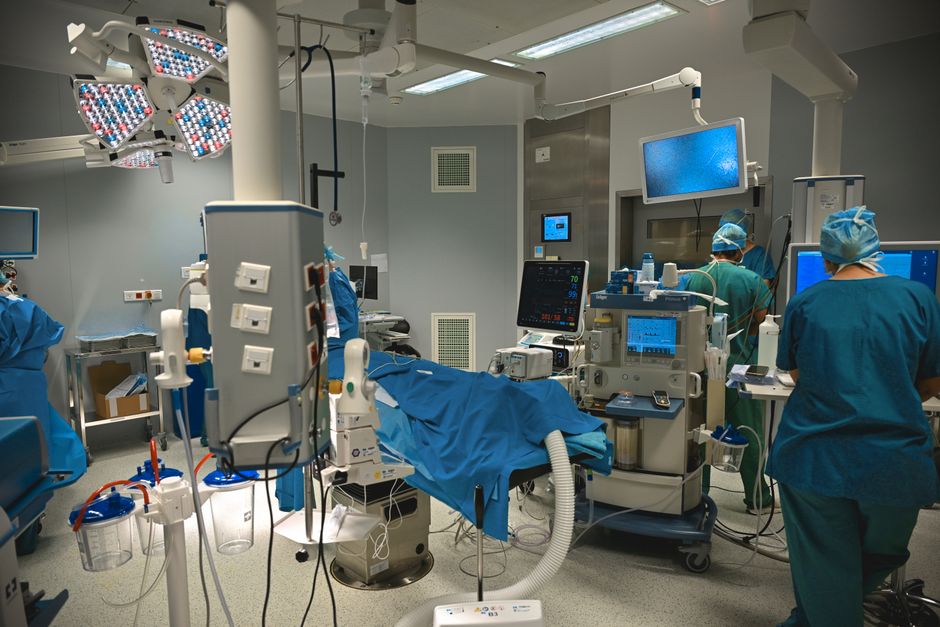
ASAM Level 4 is the technical name for medically managed intensive inpatient services, the highest-intensity setting in the ASAM Criteria. It means the person is being treated inside a licensed hospital, with nurses monitoring them 24 hours a day and a physician checking in daily, because their condition is unstable enough that outpatient or residential settings can't respond fast enough.
This is different from residential treatment, which offers structure and support but not hospital-level medical monitoring, and different from standard medical detox programs that manage withdrawal without the same intensity of physician involvement. VFMC operates as a licensed acute inpatient hospital, so its acute inpatient care is built around exactly this level of oversight, alongside residential treatment for people who are ready to step down.
What clinical signs mean a person needs this level of care?
Four situations most often move someone up to ASAM Level 4: dangerous withdrawal, acute intoxication with medical complications, a co-occurring psychiatric crisis, or repeated failed attempts at lower levels of care. Any one of these can be enough on its own, and clinicians weigh them using a structured assessment rather than guesswork.
Withdrawal from certain substances, particularly alcohol and benzodiazepines, can become medically dangerous and require close monitoring that only a hospital setting can reliably provide. Acute intoxication becomes a concern when it's paired with something like unstable vital signs, a serious injury, or an infection that needs immediate medical attention alongside addiction care. A co-occurring psychiatric crisis, such as an acute mental health emergency layered on top of substance use, changes the calculation entirely, because both conditions need to be stabilized together rather than treated separately. And when someone has already tried outpatient treatment, intensive outpatient programming, or even medically monitored detox and it hasn't held, that pattern itself is a clinical signal that a higher level of monitoring is needed next.
VFMC is also known for a specific piece of this puzzle: caring for people whose substance use has led to significant wounds or infections that need hospital-grade attention. Combining wound care with addiction treatment in one hospital setting is part of what separates a Level 4 admission from a residential or outpatient placement, since untreated wounds and IV therapy needs can themselves be the reason someone doesn't qualify for a lower level of care.
How do clinicians actually decide? What are the six dimensions?
Clinicians decide using a structured assessment across six dimensions defined by the ASAM Criteria, not a single symptom or a gut feeling. These dimensions look at the whole person, not just the substance involved, which is why two people using the same drug can end up placed at very different levels of care.
The six dimensions are: intoxication and withdrawal risk, biomedical conditions and complications, emotional and behavioral or cognitive conditions, readiness to change, risk of relapse or continued use, and the safety of the person's recovery environment. A patient doesn't need to score high on all six to qualify for Level 4. Severe risk in even one or two dimensions, especially withdrawal risk or an unstable co-occurring condition, can be enough to justify hospital-level admission.
This is also where Pennsylvania's system adds a practical layer. The Pennsylvania Department of Drug and Alcohol Programs, often called PA DDAP, uses this same Levels of Care language across county case management systems and treatment providers, so a case manager referring someone to VFMC and a hospital physician assessing them on admission are speaking the same clinical language.
What if outpatient or residential treatment already failed?
A failed attempt at a lower level of care is not a personal failure, and it's often exactly the information clinicians need to justify a higher level of care. If someone has cycled through outpatient counseling, an intensive outpatient program, or even a residential stay and their substance use or medical instability keeps returning, that repetition is itself a clinical indicator, not a character flaw.
This pattern shows up constantly in county and insurance-based Levels of Care assessments across Pennsylvania. Reviewers look specifically at treatment history because it tells them something a single snapshot assessment can't: whether the current level of structure and monitoring is actually enough to keep the person safe going forward. Families sometimes worry that asking for a higher level of care means giving up on someone. In practice, it usually means matching the setting to what the body and mind are actually showing right now.
What happens after someone stabilizes at Level 4?
Once a person is medically stable, the treatment team typically works to step them down to a less intensive setting rather than keeping them in a hospital bed longer than necessary. That might mean moving into residential treatment, an outpatient program, or a combination of ongoing medical support and counseling, depending on what the person needs next.
At VFMC, this transition is coordinated by a case management team that works with the patient, the family, and often county or insurance systems to line up the next placement before discharge. Many patients move from acute inpatient care into VFMC's own residential program, and from there into structured aftercare and alumni support, so the transition between levels of care happens as one continuous plan instead of a series of separate handoffs.
Medical detox with medication-assisted treatment is often part of this early stabilization phase too. You can read more about how that process works on VFMC's medical detox page, and the what to expect page walks through what a typical hospital stay looks like from admission to discharge.
Does insurance or Medical Assistance cover Level 4 care in PA?
Coverage depends on the specific plan and the clinical assessment, so there's no blanket answer that applies to everyone. Many Pennsylvania residents access addiction treatment through Medical Assistance behavioral health managed care or private insurance, and admissions staff can talk through what documentation or authorization steps might apply to a given case.
Rather than guessing, the most reliable next step is a direct conversation with VFMC's admissions team, who work with these systems regularly. You can also review general information on the price transparency page, though specific coverage questions are best answered by phone.
Frequently asked questions
How do I know if my family member needs ASAM Level 4 care instead of detox at home?
Home withdrawal management is not medically supervised and can be dangerous, especially with alcohol or benzodiazepines. If there's a history of severe withdrawal symptoms, a co-occurring medical or psychiatric condition, or a previous unsafe attempt to stop using, a clinical assessment at a hospital-based program is the safer path.
Can someone go straight to Level 4 without trying outpatient first?
Yes. The ASAM Criteria don't require a person to fail at every lower level before qualifying for hospital-level care. If an initial assessment shows serious withdrawal risk or a medical or psychiatric emergency, admission can happen directly at the highest level of care.
What's the difference between residential treatment and ASAM Level 4?
Residential treatment offers 24-hour structure and support in a non-hospital setting, while ASAM Level 4 means care inside a licensed hospital with daily physician oversight and round-the-clock nursing. Level 4 is used when medical instability makes residential care unsafe until the person stabilizes.
Who actually decides someone qualifies for Level 4?
A clinical team, typically including a physician and addiction-certified staff, makes this decision using a structured assessment across the ASAM Criteria's six dimensions. County case managers and insurance reviewers in Pennsylvania use the same Levels of Care framework, so the language and criteria stay consistent across the system.
Does VFMC only offer hospital-level Level 4 care?
No. VFMC provides both hospital-based acute inpatient care and residential treatment, along with medical detox, wound care, case management, and aftercare. Many patients move between these levels as part of one coordinated plan rather than staying at Level 4 for the entire length of treatment.
What happens if a person's condition changes after admission?
Levels of care aren't fixed. If someone's condition becomes more unstable while in a lower level of care, they can be moved up to Level 4, and once they stabilize at Level 4, the team works on stepping them back down to a less intensive setting.
This content is for educational purposes only and is not a substitute for professional medical advice. If you or someone you know is in crisis, call 988 or your local emergency number.
To talk with our admissions team, start the admissions process here or call (610) 539-8500. If you or someone you know is in crisis, call or text 988 anytime.