.svg)
If you've been following news out of Philadelphia and the surrounding counties, you may have already heard the name carfentanil. It's an ultra-potent fentanyl analog, meaning it's a lab-made chemical cousin of fentanyl, originally developed for large-animal veterinary use, not humans. When it shows up mixed into the street drug supply, even a small amount can cause repeated overdose events that don't resolve with a single dose of naloxone (the opioid overdose reversal medication also known by the brand name Narcan). This is one of the clearest examples of why a carfentanil overdose ASAM Level 4 Pennsylvania admission is sometimes the only safe option, rather than a lower level of outpatient or residential care. This post walks through what that means, in plain language, and why hospital-based treatment exists for exactly these situations.
When Someone Qualifies for ASAM Level 4 Care
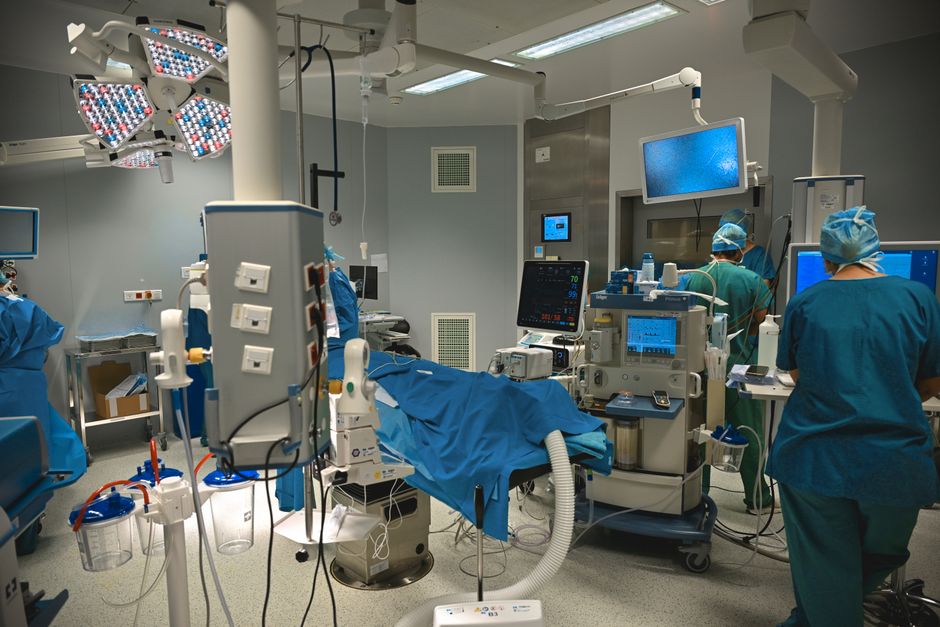
The ASAM Criteria are the framework that most Pennsylvania treatment providers, hospitals, and insurance case managers use to decide what level of addiction care actually fits a person's medical situation. Developed by the American Society of Addiction Medicine, the criteria look at six dimensions, including intoxication and withdrawal risk, biomedical conditions, emotional and psychiatric status, readiness to change, relapse risk, and the safety of a person's living environment. ASAM Level 4, medically managed intensive inpatient services, sits at the top of that continuum. It's delivered inside a licensed hospital, with 24-hour nursing supervision and daily physician oversight, for people whose condition can't be safely managed anywhere else.
So what does that actually look like in a real situation? If you or your loved one has been through outpatient counseling, an intensive outpatient program, or even a residential or medically monitored detox setting and things are still getting worse, that's a signal worth paying attention to. Repeated emergency room visits for overdose reversal, withdrawal symptoms that keep escalating instead of settling, or a mental health crisis layered on top of substance use are all reasons a lower level of care may no longer be appropriate.
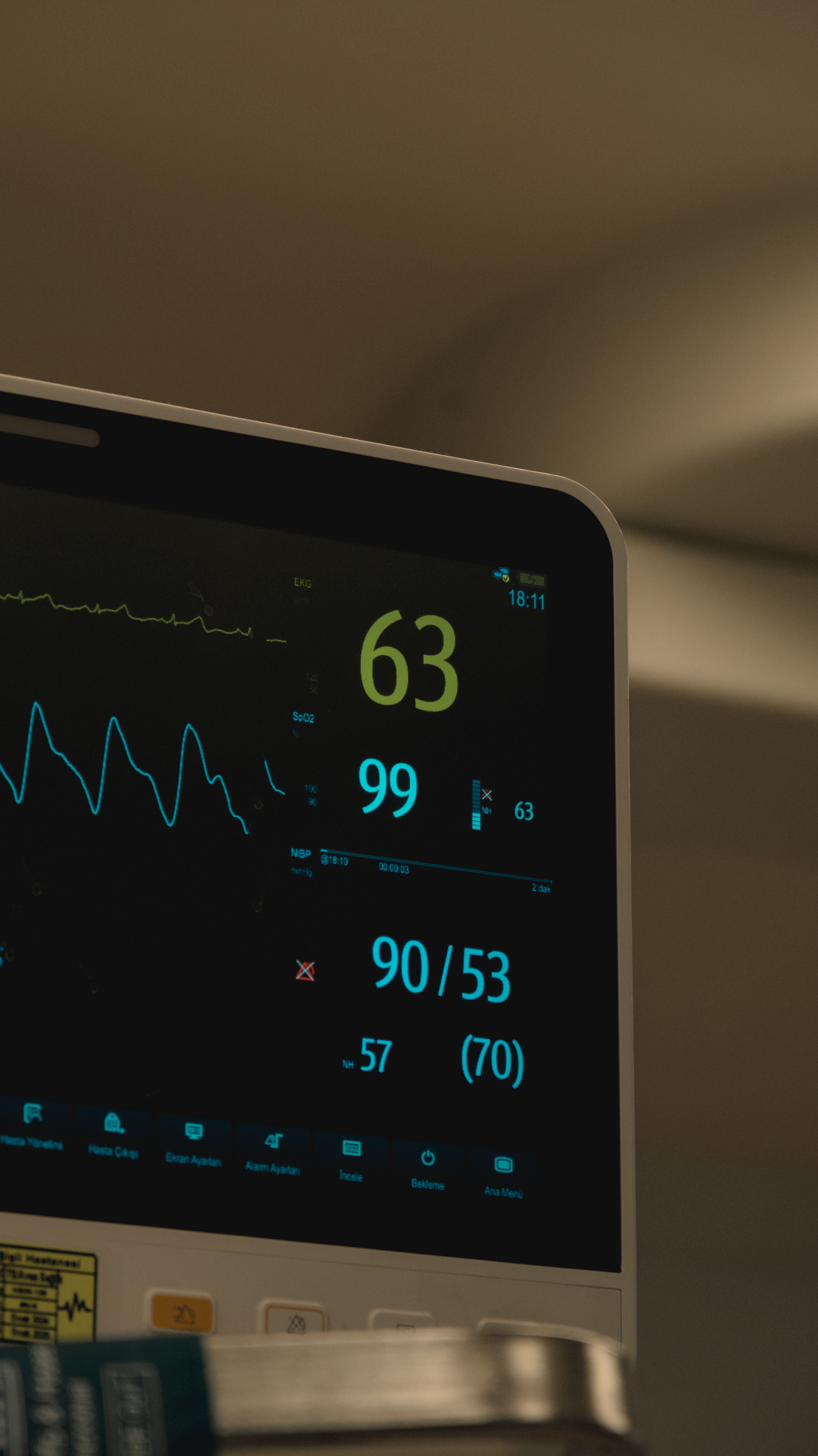
In the body, this escalation often shows up as unstable vital signs: blood pressure and heart rate that swing unpredictably, breathing that becomes shallow or irregular, confusion, or seizures. With substances like alcohol or benzodiazepines, withdrawal can become a genuine medical emergency, since the nervous system has adapted to the presence of the substance and reacts severely when it's removed. This is described generally and shouldn't be read as medical advice, since the specific risk always depends on an individual's history and current condition, best assessed by a clinician.
With an ultra-potent opioid like carfentanil in the mix, the pattern looks different but is just as serious. Someone may need naloxone administered multiple times in a short window just to maintain breathing, and even after reversal, sedation and respiratory depression (slowed, weak breathing) can return as the naloxone wears off before the opioid does. That unpredictability is exactly the kind of "withdrawal or intoxication risk" ASAM Dimension 1 is built to catch, and it's a common reason PA hospitals and case managers move someone up to Level 4 rather than back to a lower level of care. You can read more about how VFMC structures this kind of admission and treatment process for patients who need this level of monitoring.
How Carfentanil and Fentanyl Affect the Body and Mind
Carfentanil and fentanyl both work by binding tightly to opioid receptors in the brain and body, the same receptors involved in pain relief, but at a level that shuts down the drive to breathe. The DEA has specifically warned that carfentanil's potency puts it in a different category of danger compared to fentanyl and other opioids, which is part of why exposure can require larger or repeated doses of naloxone to reverse. Mentally, opioid intoxication can produce a wave of sedation, confusion, and slowed thinking, followed by intense cravings once the effect fades. For a person's family, this can look like drowsiness that suddenly turns into unresponsiveness, which is one reason bystander naloxone use has become such a public health focus for the CDC and SAMHSA in recent years.
When Substance Use Collides With an Existing Health Condition
Substance use rarely happens in isolation from a person's broader health picture. Someone with asthma or COPD faces a much steeper risk from opioid-related respiratory depression, since their lungs already have less reserve capacity. A person with a heart condition may be more vulnerable to the cardiac strain that comes with stimulant use or the wide swings in blood pressure seen during severe withdrawal. Co-occurring psychiatric conditions, like depression, anxiety, PTSD, or bipolar disorder, can also intensify during active substance use or withdrawal, sometimes to the point of a crisis that needs psychiatric stabilization alongside detox. This is part of why ASAM Level 4 care is built around integrated treatment, not just addressing the substance itself, but the medical and psychiatric conditions tangled up with it.
When Medication Misuse Spikes Medical Need
Not every escalation starts with an illicit drug. Sometimes it starts with a prescription that gets used outside of how it was directed, whether that's an opioid pain medication, a benzodiazepine prescribed for anxiety, or another controlled substance. Taking more than prescribed, combining medications without medical guidance, or continuing use after a prescription should have ended can push someone from a stable outpatient situation into an acute medical need very quickly. This is especially true when a person doesn't realize their supply has been contaminated with fentanyl or a fentanyl analog like carfentanil, something the DEA and CDC have both flagged as increasingly common across the illicit drug supply nationally, including in the Philadelphia region.
The ER Discharge and Rehab Access Gap
One of the harder realities in addiction care is what happens after an emergency room visit. A person can be revived from an overdose, monitored for a few hours, and discharged, even though they still meet criteria for a higher level of medical care based on the ASAM Criteria. Between that ER visit and an actual rehab bed, there's often a gap, sometimes because a lower level of care doesn't have same-day availability, sometimes because of confusion around what a person's insurance, including Pennsylvania Medical Assistance or behavioral health managed care, will authorize. This bottleneck is precisely what hospital-based ASAM Level 4 programs are designed to close, offering direct, medically managed admission for patients whose needs go beyond what an ER stabilization or standard outpatient referral can address. Pennsylvania's Department of Drug and Alcohol Programs (PA DDAP) outlines the broader Levels of Care framework that guides how providers across the state make these placement decisions, and understanding that language can help families advocate for the right level of care sooner rather than later.
Patients admitted to ASAM Level 4 typically don't stay there indefinitely. Once withdrawal risk has passed and any acute medical or psychiatric crisis has stabilized, the goal is to step down to a lower, more appropriate level of care, whether that's residential treatment, intensive outpatient, or another setting that fits the person's ongoing needs. You can find more detail on how Valley Forge Medical Center approaches this continuum, and what admission looks like for patients and families in the Norristown and greater Philadelphia area.
This content is for educational purposes only and is not a substitute for professional medical advice. If you or someone you know is in crisis, call 988 or your local emergency number.
To talk with our admissions team, start here or call (610) 539-8500. If you or someone you know is in crisis, call or text 988 anytime.