.svg)
If someone you love has been taking large amounts of over-the-counter anti-diarrheal medication to manage opioid withdrawal, you may not realize how serious that habit can become. Loperamide abuse cardiac arrhythmia treatment in Pennsylvania is a real and growing clinical concern, because high-dose loperamide (the active ingredient in Imodium) can disrupt the heart's electrical rhythm and cause a dangerous, irregular heartbeat called an arrhythmia. When this happens, patients often need more than a standard detox program. They need ASAM Level 4 medically managed intensive inpatient care, the highest level of hospital-based addiction treatment defined by the ASAM Criteria, the national framework used to match patients with the right level of care.
At Valley Forge Medical Center in Norristown, our hospital-based program is built for exactly this kind of complexity: 24-hour physician and nursing supervision, cardiac and medical monitoring, medically supervised withdrawal management, and integrated care for co-occurring mental health conditions.
When Someone Qualifies for ASAM Level 4 Care
The ASAM Criteria organize a person's clinical picture across six dimensions: intoxication and withdrawal risk, biomedical conditions, emotional and behavioral health, readiness to change, risk of continued use or relapse, and the safety of the person's living environment. Most people with a substance use disorder start treatment at a lower level of care, such as outpatient counseling, intensive outpatient programming, or a medically monitored residential detox unit. Those settings work well when withdrawal risk is low to moderate and no major medical or psychiatric complication is present.
Loperamide misuse changes that picture. If you've been taking far more than the labeled dose to blunt opioid withdrawal symptoms or chase a mild euphoric effect, you may be putting real strain on your heart without feeling it happen. Warning signs that a lower level of care is no longer safe include a racing or irregular heartbeat, fainting or near-fainting, chest pressure, extreme fatigue that doesn't match your activity level, or a known heart rhythm problem combined with continued use. A history of repeated relapse despite outpatient treatment, or a prior failed attempt at residential detox because symptoms became too intense to manage safely outside a hospital, is also a signal that a higher level of care may be needed.
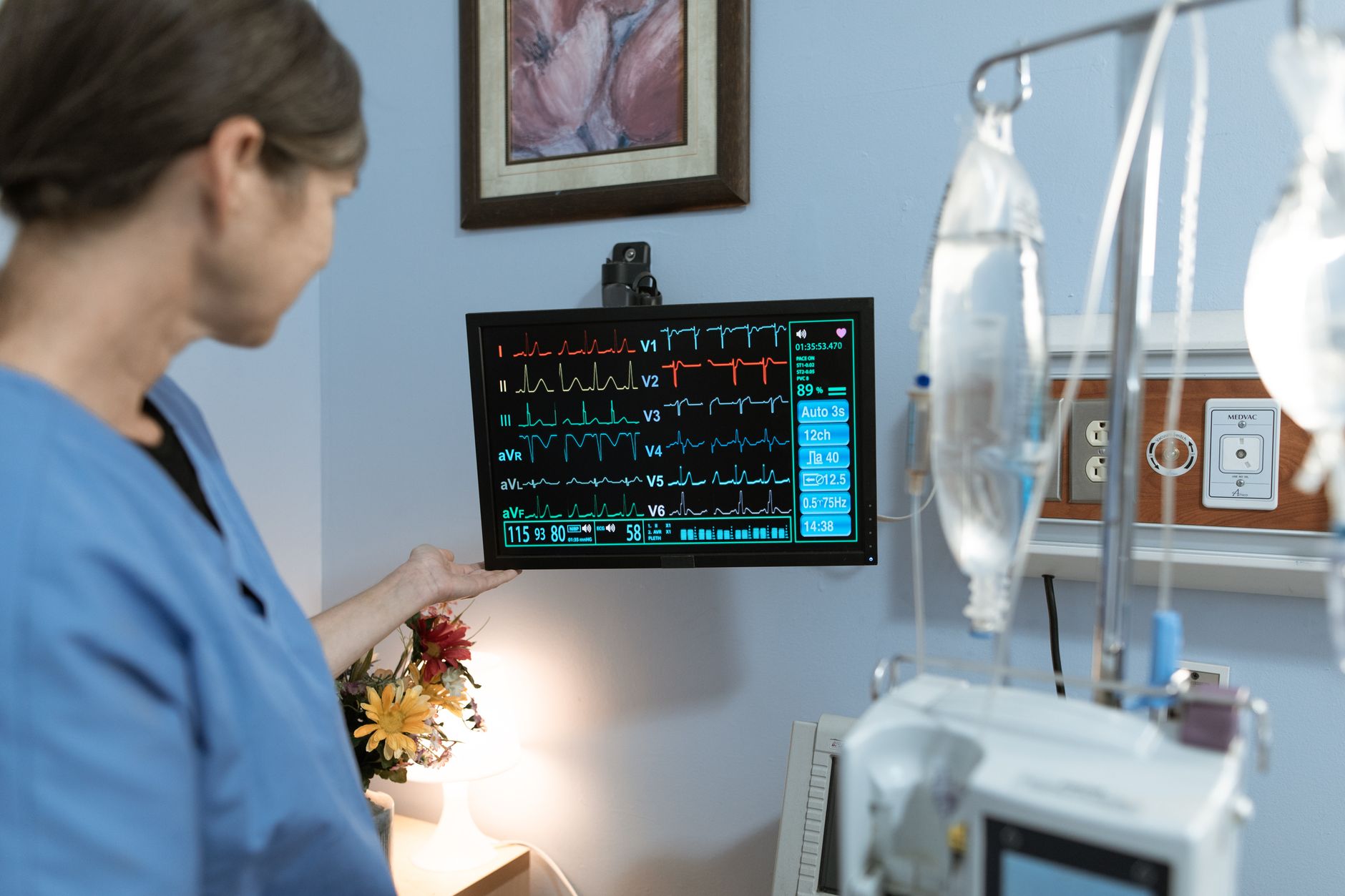
Here's what's happening in the body during that escalation. Loperamide is technically an opioid, but at normal over-the-counter doses it barely crosses into the brain, which is why it just slows the gut instead of causing sedation. At very high doses, that protective barrier becomes less effective, and the drug can reach the brain and, separately, interfere with electrical channels in the heart muscle. That interference can prolong the heart's electrical recovery time between beats, a change that shows up on an EKG and can trigger a fast, chaotic heart rhythm. This isn't something you can monitor at home or manage through willpower. It is a medical event that needs continuous cardiac monitoring, lab work, and physicians available around the clock, which is the core definition of ASAM Level 4 medically managed intensive inpatient services. The goal at this level is stabilization first: getting the heart rhythm safe, correcting any underlying imbalance, and managing withdrawal symptoms in a controlled setting, before addiction treatment planning moves forward. Once someone is medically stable, the ASAM framework calls for stepping down to a lower level of care, such as residential or outpatient treatment, to continue recovery work in a less intensive setting.
How Loperamide and Other Opioids Affect the Body and Mind
Opioids, including loperamide when misused at high doses, act on receptors that regulate pain signaling, mood, and the body's fight-or-flight response. Short term, this can produce calm or mild euphoria and a slowdown in gut motility. That slowdown is exactly why loperamide is sold as an anti-diarrheal in the first place. But at doses far beyond the label, the same receptor activity that eases withdrawal symptoms can suppress breathing and, as described above, disturb the heart's rhythm. According to the FDA, this cardiac risk has been documented closely enough that regulators changed packaging to limit the amount of loperamide sold per package, precisely because of concerns about high-dose misuse.
Why Existing Health Conditions Raise the Stakes
Substance misuse rarely happens in isolation from the rest of a person's health. If you have a pre-existing heart condition, an electrolyte imbalance, kidney or liver disease that slows how your body clears medication, or a mental health condition like depression, anxiety, or bipolar disorder, high-dose loperamide use can interact with all of it. Electrolyte disturbances, for instance, can independently increase the risk of the same kind of dangerous heart rhythm that loperamide misuse can cause, so the two problems compound each other. Co-occurring psychiatric symptoms add another layer, since withdrawal and medical instability can intensify anxiety, agitation, or depressive symptoms, which is why integrated treatment for co-occurring disorders, not just detox alone, matters at this level of care.
When Medication Misuse Spikes Into an Acute Medical Need
A lot of loperamide misuse starts quietly. Someone runs out of an opioid prescription, or is trying to stop using opioids without medical support, and reaches for an accessible, legal product to blunt the discomfort of withdrawal. Because it's sold without a prescription, it can feel low-risk. Doses can climb gradually as tolerance builds, sometimes without the person or their family realizing how far it's gone until a cardiac symptom shows up. Unsupervised use of any medication, even a common one, without a clinician's guidance can spike from a manageable situation into an acute medical emergency, especially when combined with other substances or medications that also affect heart rhythm. This is a pattern worth taking seriously and addressing early, not a moral failing.
This content is for educational purposes only and is not a substitute for professional medical advice. If you or someone you know is in crisis, call 988 or your local emergency number.
To talk with our admissions team, start here or call (610) 539-8500. If you or someone you know is in crisis, call or text 988 anytime.